
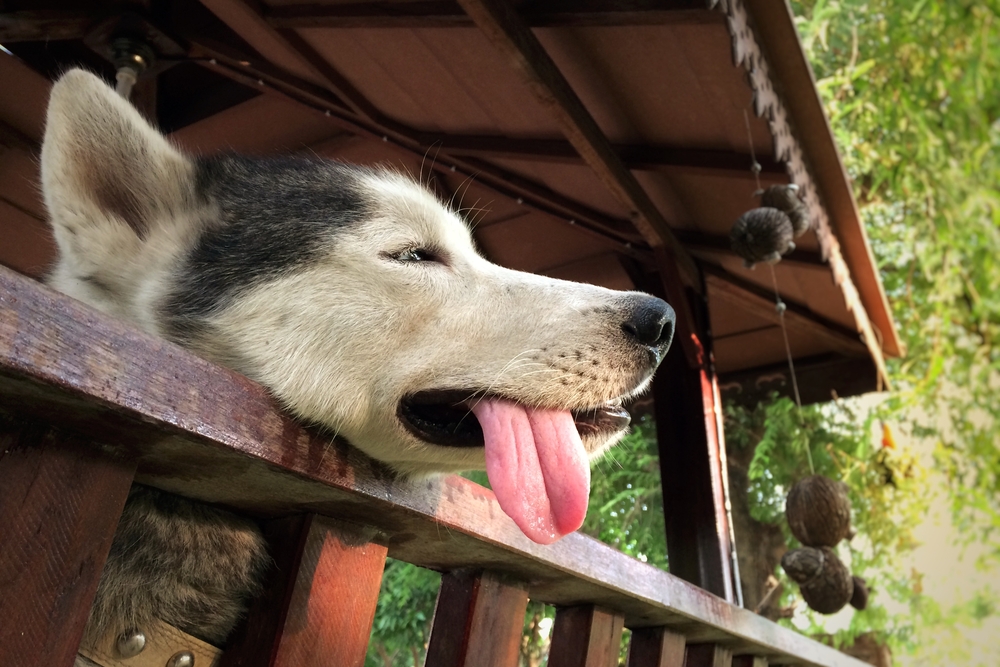
Flat-faced breeds, overweight dogs, very young or senior animals, and dogs with heart or respiratory conditions face the highest risk of heat stroke, and in the Florida heat that risk builds faster than most people realize. Brachycephalic breeds like bulldogs, pugs, and French bulldogs are especially vulnerable, because their compressed airways limit how much heat they can shed through panting. Excess weight raises the heat a dog generates for any activity, while puppies and senior dogs have less ability to regulate their own temperature. Heat stroke sets off a cascade of organ stress, blood pressure changes, and in severe cases neurological damage, sometimes within an hour of collapse.
At Boca Midtowne Animal Hospital in Boca Raton, we are AAHA accredited and Fear Free certified, and we take heat emergencies seriously from the moment a pet arrives. Our on-site diagnostics, including digital radiography, ultrasound, and in-house lab work, let us evaluate a dog quickly when every minute counts. We welcome urgent care walk-ins (please call ahead so we can be ready), so reach our urgent care or get in touch with any concern about your dog’s heat risk.
Highlights: Heat Stroke Risk in Dogs
- Brachycephalic breeds (bulldogs, Frenchies, pugs, boxers) overheat dramatically faster than other dogs because their airway anatomy limits panting.
- Excess weight, age extremes, heart or respiratory disease, and laryngeal paralysis all stack risk on top of breed.
- Safe cooling means cool or tepid water on the body plus airflow, never ice baths or wet towels left draped on top.
- A dog who seems back to normal after cooling still needs to be seen, because organ failure and clotting problems can surface over 24 to 72 hours.
Why Do Some Dogs Overheat Faster Than Others?
Dogs shed heat mainly by panting, with a little through the paw pads, so anything that limits panting or adds internal heat tips them toward heat stroke sooner. Breed, body weight, age, coat, and underlying disease all move that line, and Florida’s humidity narrows the margin for every dog.
| Risk factor | Why it raises heat stroke risk | What helps |
| Flat-faced (brachycephalic) build | Narrow airways make panting inefficient | Weight management, BOAS surgery, low-midday activity |
| Excess body weight | More heat generated, shed less efficiently | A weight plan with your veterinarian |
| Puppies and seniors | Weaker temperature regulation | Shorter, cooler outings |
| Heavy or double coats | The coat holds body heat | Grooming, and never shaving the coat |
| Heart, airway, or endocrine disease | Less heat tolerance overall | Managing the underlying condition |
Two things deserve a closer look. Acclimatization matters, because a mostly-indoor dog taken on a long outing has not had time to adapt to the heat. And for flat-faced dogs, brachycephalic thermoregulation research shows body condition is one of the most modifiable risk factors, which is why we talk about weight at nearly every wellness visit for these breeds. For a dog with significant airway obstruction, BOAS surgery to widen the nostrils and shorten the soft palate can meaningfully lower heat stroke risk.
What Are the Signs of Heat Stroke in Dogs?
Heat stroke in pets climbs through stages, and catching the early signs is what buys time to act. It begins as heavy panting and restlessness, escalates to weakness, vomiting, and disorientation, and in severe cases reaches collapse, seizures, and dark or pale gums. The earlier you recognize it, the more you can do.
Early heat stress looks like:
- Heavy, fast panting that does not slow with rest
- Restlessness, pacing, and seeking cool surfaces
- Bright red or unusually pink gums
- Thick, ropy drool
- Refusing to keep moving
Escalating heat stroke looks like:
- Panting that turns frantic or starts and stops
- Weakness, wobbliness, or trouble standing
- Vomiting or diarrhea, sometimes with blood
- Glazed eyes, disorientation, or confusion
Severe heat stroke, which means heading straight in, looks like:
- Collapse or an inability to stand
- Gums turning dark red, purple, gray, or pale
- Seizures
- Unresponsiveness or loss of consciousness
- Bleeding from the nose or mouth
If you are past that first tier, treat it as an emergency. Home cooling is step one, not the whole plan.
Emergency First Aid for Suspected Heat Stroke
When you suspect heat stroke, the goal is to bring the temperature down safely while you head to a veterinarian. Follow these emergency steps for cooling:
- Move your dog to a cool, shaded place right away, ideally indoors with air conditioning.
- Apply cool or tepid water (not ice cold) to the belly, armpits, paw pads, and inner thighs.
- Create airflow with a fan, or open windows in the car on the way.
- Offer small sips of cool water if your dog is alert and wants it, but never force water on a dog that is not fully responsive.
- Keep wet towels off the top of your dog, because they trap heat once they warm; a wet towel under the dog on tile is fine.
- Skip ice baths and ice packs, which cause the surface vessels to clamp down and can slow heat loss.
- Call ahead and drive in, cooling as you go, and if you can monitor temperature, stop once the temperature reaches about 103°F to avoid overshooting into hypothermia.
Even if your dog seems to recover on the drive, come in. The internal damage does not track the outward picture.
How Is Heat Stroke Treated?
Heat stroke treatment runs three things at once: controlled cooling, intravenous fluid support, and management of the complications that follow. The first 24 hours carry the highest risk, so care begins the moment a dog arrives and continues well after the temperature is back to normal.
In the hospital, treatment usually includes:
- Active cooling: brought down to a normal temperature in a controlled way.
- IV fluids: to restore circulation and protect the organs.
- Bloodwork on arrival and serial rechecks: tracking organ function, blood sugar, electrolytes, and clotting.
- Oxygen support: when breathing is labored.
- Anti-nausea, anti-seizure, and pain medication: given as needed.
- Plasma or blood products: when clotting becomes deranged.
Why a Dog Who Bounced Back Still Needs Monitoring
Heat stroke recovery plays out over days, and a dog who looks stable after cooling can still develop:
- Kidney injury: sometimes severe enough to need ongoing fluids.
- Liver damage: showing up on bloodwork over the following days.
- Heart rhythm changes: that warrant monitoring.
- Gastrointestinal bleeding: from the damaged stomach and intestinal lining.
- Systemic inflammatory response (SIRS): a body-wide reaction.
- Disseminated intravascular coagulation: where tiny clots form throughout the bloodstream while bleeding happens elsewhere.
These appear 24 to 72 hours after the event, which is why we monitor in-hospital and recheck bloodwork in the days that follow.
How Can You Prevent Heat Stroke in a High-Risk Dog?
For a high-risk dog, prevention beats rescue every time, and it comes down to managing heat exposure: a cool indoor space, careful timing of activity, water always within reach, and never a parked car. A few heat safety habits cut the risk dramatically.
Hydration and Cooling at Home
Keep several water bowls in different spots and refill them often. A few cooling aids help on the hottest days:
- Elevated beds that let air circulate underneath
- Cooling mats the dog can choose to use
- A wet towel on tile for resting, never draped on top
- Frozen treats like broth cubes or stuffed Kongs
- Closed blinds in the rooms where your dog spends the day
Safe Outdoor Activity in Florida Heat
Preventing heat stroke outdoors is mostly about timing and pavement:
- Walk in the coolest parts of the day, early morning or after sunset
- Test the pavement with the back of your hand for ten seconds; if you cannot hold it there, it is too hot for paws
- Carry water on any outing longer than fifteen minutes
- Watch for heavy panting, lagging behind, or a sudden urge to lie in the grass, and cut the walk short
- For brachycephalic dogs, skip midday exercise entirely from May through September
Never Leave a Dog in a Parked Car
Car interiors heat catastrophically fast. On a 70°F day a car can reach 104°F within thirty minutes, and in a Florida summer the math is far worse. Cracked windows do not meaningfully help. Hot vehicles kill pets every summer, so the only safe choice is to leave your dog at home if the trip means any time alone in the car. If you see a dog in distress in a parked car, call 911 or animal control.
Outdoor Cat Safety
Cats who spend time outside need their own plan. Outdoor cat safety on Florida days means:
- Multiple shaded water sources, refreshed twice daily
- Cool retreats like a covered porch, a garage with airflow, or shaded shelter
- Safe enclosures or supervised outdoor time during peak heat
- Watching for any panting, which is always concerning in a cat
Keeping Dogs Cool Indoors
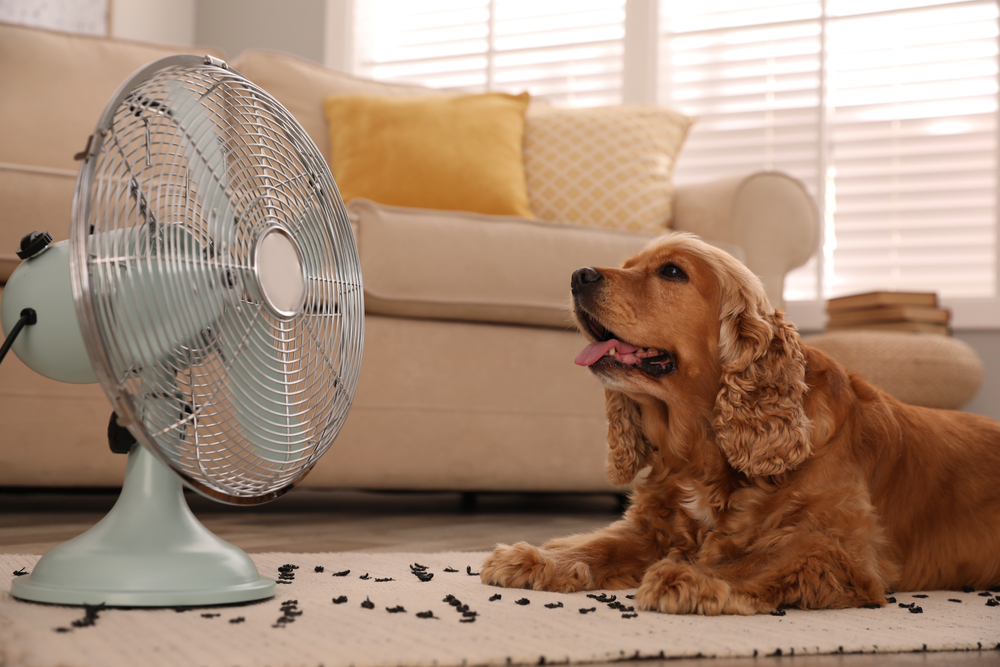
On the hottest days, the safest place is inside with air conditioning. Beat heat-driven boredom with enrichment that does not raise body temperature, like food puzzles, snuffle mats, and frozen treats. Boredom busters and DIY enrichment toys keep a dog engaged without raising their activity level.
Frequently Asked Questions About Heat Stroke Risk
Is BOAS Surgery Worth It for My Brachycephalic Dog?
For many bulldogs, Frenchies, pugs, and other flat-faced dogs with significant airway obstruction, it genuinely is. BOAS surgery widens the nostrils and shortens the elongated soft palate, which improves panting efficiency and lowers heat stroke risk. We offer free BOAS consultations to talk through whether your specific dog is a good candidate and what realistic outcomes look like.
My Dog Was Hot but Seems Fine Now. Do I Still Need to Come In?
Almost certainly. The dangerous part of heat stroke is what happens internally after the initial event. The kidneys, liver, GI tract, and clotting system can all show delayed damage over the next 24 to 72 hours, and dogs that look stable on the surface have died from those delayed effects. Even a same-day check with bloodwork is far safer than waiting it out.
What Temperature Is Too Hot to Walk My Brachycephalic Dog?
There is no single threshold, but for brachycephalic breeds, anything above 75°F with high humidity is risky, and above 80°F is genuinely dangerous. In Boca Raton from May through September, walks for these dogs should happen early morning or after sunset, and exercise should stay low-key.
Summer Risk Management for Your High-Risk Dog
Heat stroke is one of the most preventable emergencies we treat, and the dogs at highest risk benefit the most from a thoughtful summer routine. If your dog is brachycephalic, overweight, senior, or living with heart or respiratory disease, the routine that worked for your last dog probably is not safe for this one.
If you want to talk through a heat plan that fits your specific dog, or your dog has overheated and needs evaluation, request an appointment or call us about urgent care in Boca Raton and we will work you in.










Leave A Comment