



Is your dog constantly trying to escape the yard, or is your cat spraying in the house? Dealing with these stressful behaviors, along with worries about unwanted litters, is a reality for many pet parents. While managing the pet population is often the first thing that comes to mind, these procedures offer profound health and behavioral benefits. Spay and neuter surgeries significantly reduce the risks of reproductive cancers and serious infections, and they are key to minimizing behaviors like roaming, aggression, and territory marking, leading to a much calmer household for everyone.
At Boca Midtowne Animal Hospital, we see spay and neuter surgeries as essential steps in preventive care- helping pets live longer, healthier, and more balanced lives. Our veterinary team is proud to provide affordable pet care of the highest quality, using advanced surgical technology and comprehensive monitoring to ensure comfort and safety during every procedure. Whether you’re planning a first surgery for a puppy or kitten or discussing timing for an adult pet, our veterinary wellness care team provides clear guidance for every stage.
The Health Benefits of Spaying and Neutering
While population control is a significant reason to spay or neuter, the benefits extend far deeper into lifelong health and wellbeing. These surgeries help balance hormones, reduce stress-driven behaviors, and lower risks of diseases that can affect both lifespan and quality of life.
Research consistently shows that spayed and neutered pets tend to live longer, healthier lives. Without the constant influence of reproductive hormones, pets are less likely to develop cancers and are less prone to roam or fight- common causes of traumatic injuries.
Reducing Cancer and Reproductive Disease Risk
Spaying and neutering help protect pets from some of the most serious reproductive conditions. In female dogs and cats, removing reproductive organs virtually eliminates the risk of uterine infections like pyometra, which are surprisingly common and can be life-threatening and requires emergency surgery. It also significantly decreases the likelihood of developing mammary tumors in dogs and mammary tumors in cats– many of which are aggressive and require surgery and chemotherapy to treat.
For males, neutering prevents testicular tumors entirely and reduces the chance of prostate enlargement and infections, which can cause pain and difficulty urinating. By addressing these risks early, you’re helping protect your pet from painful and expensive conditions later in life.
Our veterinary surgery team provides individualized recommendations for timing and pre-surgical care, ensuring your pet’s procedure is as safe and effective as possible.
Behavioral Benefits After Surgery
Reducing Aggression, Marking, and Roaming
Hormones play a major role in many behavioral challenges. Unneutered males are prone to marking their territory and may roam far from home searching for mates, increasing their risk of accidents and fights. Dogs in search of a mate will jump or dig under fences and dart out doors- a huge risk for being hit by a car or getting lost. Neutering reduces these instincts, leading to calmer, more predictable behavior.
Spaying females helps eliminate anxiety, vocalizing, and restlessness during heat cycles. Heat cycles themselves are not fun to manage- they can be extremely messy, especially in dogs, and require you to pay strict attention to contact with other pets to avoid accidental breeding.
In cats, spaying or neutering can stop unwanted behaviors like urine spraying, which is often triggered by mating drives or environmental stress. The result is a more relaxed, cooperative pet and a cleaner, quieter home.
Improving Focus, Training, and Social Behavior
After hormone levels stabilize, most pets become more attentive and easier to train without the drive to mate. Families often notice improved obedience and a stronger bond between pets and people. Calmer pets also interact better in social settings- whether that’s dog parks, daycare, or boarding. Our focus on Fear Free handling ensures that your pet’s surgical experience and recovery are stress-minimized, supporting their emotional well-being as much as their physical health.
Timing and the Spay/Neuter Procedure
The Best Age to Spay or Neuter
The ideal age varies by species, size, and breed. For cats, the best time is typically 4–6 months. Small-breed dogs are usually ready around 6 months, while large breeds may benefit from waiting until 12–18 months to allow for proper growth and joint development. Understanding your pet’s breed and life stages helps determine when hormonal changes begin and when surgery will offer the most benefit.
If you’re unsure when to schedule, our wellness team can guide you through the decision during your pet’s next preventive visit.
Safe and Monitored Surgical Care
Spay and neuter procedures are among the most common surgeries we perform, and at Boca Midtowne Animal Hospital, they are always handled with the highest level of safety. Every patient undergoes pre-surgical bloodwork, anesthetic monitoring, and tailored pain management to ensure comfort before, during, and after surgery. Our veterinary services include advanced anesthesia protocols and modern laser surgery techniques that promote faster recovery and less discomfort. We’re an AAHA-accredited hospital– meaning we provide the highest standards of care in everything we do, ensuring your pet is receiving literally the best care possible.
Helping Pets Heal Comfortably
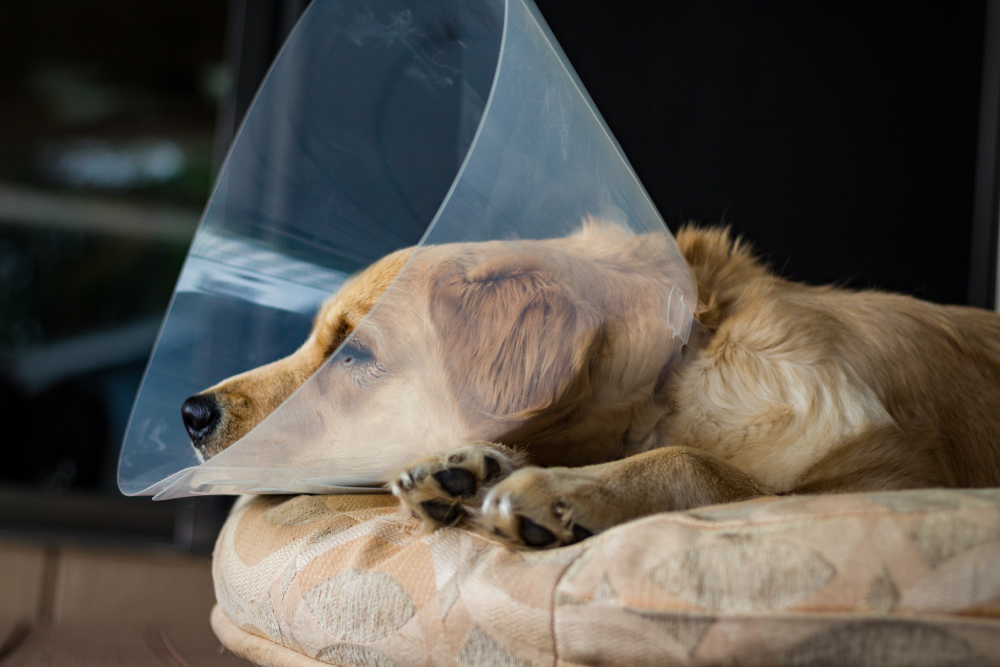
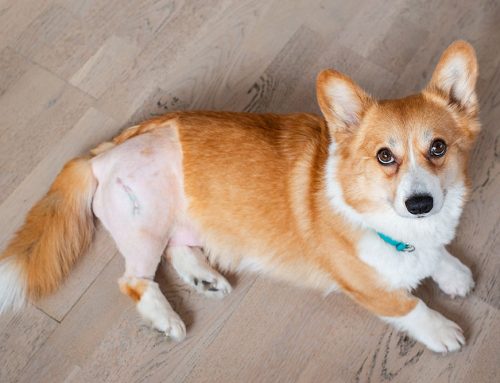
After surgery, pets need rest, monitoring, and a little extra TLC. Keep them indoors, limit activity to leash walks only, and prevent licking or chewing at the incision site. A protective cone or recovery collar is a critical part of making sure your pet’s incision heals properly. Crate resting is an ideal way to help your pet heal properly. Most pets recover within 10–14 days and feel more like themselves within the first week.
If you have any concerns during recovery, our urgent care team is available to answer questions and evaluate your pet if something doesn’t look right. Most complications occur when pets are allowed to lick their incision, or if they return to activity too quickly. It’s up to you to keep your pet safe after surgery.
Addressing Common Myths and Concerns
Will My Pet’s Personality Change?
Spaying and neutering don’t alter your pet’s fundamental personality. They’ll still be loving, playful, and full of character. The only change most owners notice is a calmer demeanor and fewer hormone-driven behaviors like roaming, mounting, or excessive marking.
Should My Pet Experience Motherhood First?
There’s no medical or psychological benefit to letting your pet have a litter before spaying. Your pet won’t feel like she’s “missing out”- maternal instincts are driven by hormones, not conscious desires.
Having a litter of puppies or kittens is expensive and potentially dangerous if your pet needs a c-section, or experiences pregnancy related medical complications like mastitis or nutritional deficiencies. Some pets who have a litter won’t act like a mother at all, leaving you to hand-rear their young- that’s nearly round-the-clock feeding for six to eight weeks.
Will My Male Pet Miss His Testicles?
Rest assured, your pet won’t experience any sense of loss or identity crisis after neutering. Pets don’t have the same emotional attachment to their reproductive organs that humans might imagine.
Does Surgery Cause Weight Gain?
Weight gain after surgery is a common concern, but it’s usually linked to diet, activity, and normal slowing of the metabolism with aging rather than the procedure itself. Maintaining portion control and daily exercise is the best way to prevent obesity. You can use a pet weight check guide to evaluate your pet’s body condition at home and adjust feeding as needed.
Protecting Your Pet’s Health and Future
Spaying and neutering are more than routine surgeries- they’re lifelong investments in your pet’s health, happiness, and harmony at home. By reducing disease risk, improving behavior, and extending lifespan, these simple procedures offer enormous benefits for pets and their families.
If you’re ready to discuss the best timing for your pet’s surgery or want to schedule a consultation, contact us or request an appointment today. The caring team at Boca Midtowne Animal Hospital is here to help your companion live a healthier, calmer, and longer life.











Leave A Comment