
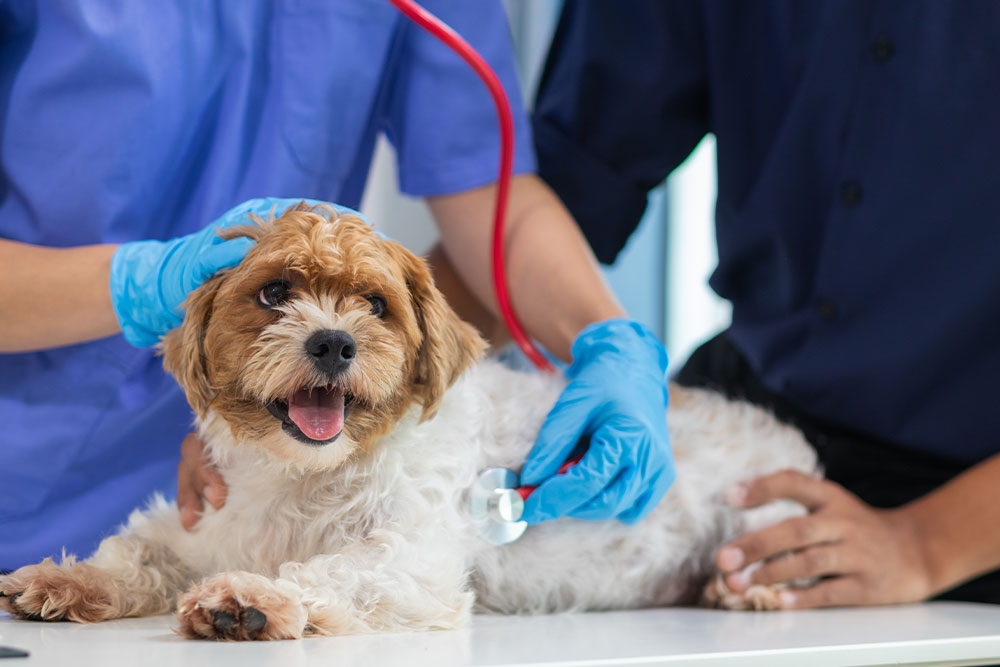
When the vet says your dog or cat needs heart medication, it’s completely normal to feel a little lost. Suddenly there are words like pimobendan and furosemide in your daily vocabulary, pill schedules to remember, and a whole new set of worries on your mind. Here’s what we want you to know: you’re not alone in this, and today’s heart treatments really do work. Many pets with heart disease go on to enjoy comfortable, happy lives for months or even years after diagnosis.
At Boca Midtowne Animal Hospital, our team uses advanced diagnostics to understand exactly what’s happening with your pet’s heart. We take time to explain everything in plain language so you feel confident about the plan, not confused by it. As an AAHA accredited and Fear Free certified practice, we make sure cardiac evaluations are as calm and stress-free as possible for both pets and their people.
Have questions or noticed something that worries you? You can always request an appointment to talk things through and build a care plan together.
Why Does My Pet Need So Many Heart Pills?
If you’re staring at multiple pill bottles and wondering why one medication isn’t enough, you’re asking a really good question. The short answer: heart failure affects your pet’s body in several different ways, and each medication tackles a different piece of the puzzle.
One drug might help the heart pump stronger. Another removes extra fluid from the lungs. A third relaxes blood vessels so the heart doesn’t have to work as hard. Used together, they create balanced support that no single medication could provide alone. Think of it like a team where everyone has a specific job.
The encouraging part? This combination approach gives many pets more good days than was possible even ten years ago. With the right routine and regular check-ins, most families find managing heart medications becomes second nature.
Which Heart Problems Need Medication?
Heart Diseases We Commonly See in Dogs and Cats
Heart disease shows up differently depending on whether you have a dog or a cat, and even the specific breed matters.
In dogs, especially smaller breeds like Cavaliers, Chihuahuas, and Toy Poodles, mitral valve disease is the most common culprit. The valve between two heart chambers becomes leaky, forcing the heart to work overtime. Eventually, fluid can back up into the lungs.
Cats tend to develop different problems. Hypertrophic cardiomyopathy causes the heart muscle to thicken until it can’t fill properly. Some cats develop dilated cardiomyopathy, where the heart stretches out and pumps weakly, or restrictive cardiomyopathy, where stiff walls limit how much blood the heart can hold.
Some pets are born with heart defects. Congenital heart disorders like patent ductus arteriosus, where a blood vessel that should close after birth stays open, can cause problems from a young age.
Rhythm problems occur in both species. Cardiac arrhythmias in cats and arrhythmias in dogs can make the heart beat too fast, too slow, or irregularly. Sick sinus syndrome, where the heart’s natural pacemaker malfunctions, is particularly common in Miniature Schnauzers.
Understanding which condition your pet has helps explain why we choose specific medications. Our diagnostic ultrasound and digital radiography let us see exactly what’s going on so we can match the treatment to the problem.
How Do We Figure Out What’s Wrong With Your Pet’s Heart?
The Tests That Tell Us What We Need to Know
Before we can help, we need to understand exactly how your pet’s heart is functioning. Several tools give us that picture.
Echocardiograms are basically ultrasounds of the heart. We can watch it beat in real time, measure chamber sizes, check whether valves are leaking, and see how strongly the muscle contracts. This tells us which medications will help most.
Electrocardiograms record the heart’s electrical signals. They’re essential for identifying rhythm problems that might need specific treatment.
X-rays show us the heart’s overall size and shape, plus whether fluid has accumulated in the lungs. And during every exam, we listen carefully with a stethoscope. Finding a heart murmur during a routine checkup is often how we catch heart disease before symptoms even start.
We also run bloodwork to check kidney function and electrolytes, which helps us choose safe medication doses and monitor your pet during treatment. All of these pieces fit together to create a complete picture of your pet’s cardiac health.
How Can You Tell If Something’s Wrong With Your Pet’s Heart?
Early Clues You Might Notice at Home
Catching heart disease signs in dogs and cats early gives us more options and better outcomes. Here’s what to watch for.
In dogs:
- A cough that won’t go away, especially at night or after getting excited
- Getting tired faster than usual on walks
- Reduced exercise ability where your dog wants to stop and rest during activities they used to handle easily
- Breathing that seems faster or harder than normal, even at rest
- Restlessness at night or trouble getting comfortable
In cats:
- Hiding more than usual
- Breathing faster or with more effort
- Less interest in play or jumping
- Panting in cats, which is never normal and always needs attention
If you’ve noticed any of these changes, even subtle ones, it’s worth scheduling an evaluation through our veterinary wellness care. Finding problems early often means simpler treatment and better quality of life.
When Heart Disease Becomes Urgent
Congestive heart failure happens when the heart can’t keep up with the body’s needs and fluid starts accumulating where it shouldn’t. This is serious, but catching it quickly makes a huge difference.
Call us right away or seek emergency care if you see:
- Breathing rate over 40 breaths per minute while sleeping
- Open-mouth breathing, especially in cats
- Coughing that’s gotten suddenly worse
- Pale or blue gums, which means oxygen levels are dangerously low
- Collapse or fainting episodes
- A belly that looks swollen or feels tight
- Refusing food when your pet normally eats well
Respiratory distress, where your pet is gasping, can’t settle, or seems to be struggling for air, is always an emergency. Don’t wait to see if it gets better.
We offer urgent care during open hours and accept emergency phone calls seven days a week until midnight. When you act fast, we can often stabilize pets and get them comfortable again.
Pimobendan: The Heart Helper That Changed Everything
What Makes This Medication So Important
Pimobendan does two things at once: it helps the heart squeeze more effectively with each beat, and it relaxes blood vessels so blood flows more easily. Less strain, better circulation, improved oxygen delivery. For dogs with heart failure from mitral valve disease or dilated cardiomyopathy, this medication has genuinely changed what’s possible.
Research shows that starting pimobendan at the right time, sometimes even before obvious symptoms appear, can delay the progression to congestive heart failure. That means more comfortable months or years for your pet. Most dogs take it twice daily on an empty stomach, about an hour before meals.
We keep cardiac medications stocked in our in-house pharmacy, so you can start treatment right away with clear instructions on dosing and storage.
What You’ll See at Home
Changes are usually gradual rather than dramatic. Over a few weeks, many dogs cough less at night, seem to breathe easier, and have a bit more pep for their daily activities. We confirm progress through follow-up exams and imaging.
Side effects are uncommon. Some pets experience mild stomach upset or softer stools temporarily. The key to success is consistency. Missing doses lets symptoms creep back, so building a reliable routine really matters.
Diuretics: Getting Rid of Dangerous Fluid
How Furosemide Helps Your Pet Breathe Easier
When the heart struggles, fluid can leak into the lungs (causing coughing and labored breathing) or the abdomen (causing a swollen belly). Diuretics, sometimes called water pills, help the kidneys flush out that extra fluid through urine.
Furosemide is the go-to choice because it works fast. Many pets feel noticeably better within hours of their first dose. We adjust the amount based on how your pet responds, sometimes giving it once daily, sometimes two or three times.
Spironolactone is another diuretic we sometimes add. It works differently and helps maintain potassium levels, which can drop with furosemide alone.
Because diuretics change fluid and electrolyte balance, regular bloodwork keeps things safe. We monitor kidney values and adjust doses to find the sweet spot where your pet is comfortable without being over-dried.
Your Job: Keeping an Eye on Things Between Visits
You spend more time with your pet than we do, which makes you an essential part of the care team. Counting resting breaths at home is one of the most valuable things you can do.
Here’s how to monitor at home:
- Breathing rate: When your pet is sleeping or resting calmly, count how many breaths they take in one minute. Write it down. Normal is usually between 15 and 30. If you’re consistently seeing numbers above 40, that’s a sign fluid may be building up again.
- Weight: If you can weigh your pet weekly, do it. Sudden gains often mean fluid retention. Rapid losses might mean we’re removing too much fluid or your pet isn’t eating well.
- Energy and appetite: Note whether your pet seems interested in food and activities. Changes here can be early warnings.
- Water intake and urination: Expect more of both with diuretics. That’s normal. But extreme thirst, lethargy, or weakness could signal a problem.
Keep a simple log and bring it to appointments. This information helps us fine-tune the plan before small issues become big ones.
ACE Inhibitors: Taking Pressure Off the Heart
Why Blood Pressure Control Matters
When the heart is failing, the body responds by tightening blood vessels and holding onto salt and water. It’s trying to help, but it actually makes the heart work harder. ACE inhibitors (enalapril, benazepril, lisinopril) interrupt this cycle by relaxing vessels and reducing fluid retention.
The result? Lower blood pressure, less strain on the heart, and often improved kidney blood flow too. These medications pair well with pimobendan and diuretics to create comprehensive support.
Cats with systemic hypertension may also benefit from ACE inhibitors. We monitor kidney function and electrolytes with routine bloodwork, especially in pets who already have some kidney issues.
Our AAHA accreditation reflects our commitment to evidence-based protocols for building and adjusting cardiac medication plans.
Why Multiple Medications Work Better Together
Here’s how the combination typically works:
- Pimobendan strengthens heart contractions and opens up blood vessels
- Diuretics clear out accumulated fluid so breathing is easier
- ACE inhibitors reduce blood pressure and block the hormones that make heart failure worse
Each drug addresses a different part of the problem. Together, they provide support that’s greater than any single medication could offer.
Today’s range of heart disease medications gives us real flexibility. We can adjust combinations and doses as your pet’s needs change over time. What works at diagnosis may need tweaking months or years later, and that’s completely normal.
Other Medications That Might Join the Mix
Beta-Blockers: Slowing Things Down When Needed
For some pets, the heart beats too fast or too hard. Beta-blockers like atenolol slow the rate and reduce the force of each contraction. This helps cats with hypertrophic cardiomyopathy, where a racing heart makes the already-thick muscle work inefficiently. Some dogs with specific arrhythmias benefit too.
These medications need careful dosing. Too much can make pets overly tired or cause the heart rate to drop too low. We start conservatively and adjust based on response.
When rhythm problems are the main issue, other antiarrhythmic medications may be needed. The choice depends on exactly what the ECG shows.
Making Multiple Medications Manageable
If the collection of pill bottles feels overwhelming, you’re not alone. A few strategies help:
- Pill organizers let you set up a week’s worth of doses at once
- Phone alarms remind you when it’s medication time
- A written schedule keeps everything clear, especially if multiple family members help with care
- Your log of breathing rate, weight, and appetite guides our adjustments
Don’t hesitate to tell us if something isn’t working. Maybe your cat won’t take a certain pill, or the twice-daily schedule is hard to manage. Our Fear Free approach includes creative solutions like flavored medications, compounded liquids, or transdermal options that might fit your pet better.
Can Pets With Heart Disease Still Be Active?
It might seem like rest is the safest option, but gentle, appropriate exercise actually helps many pets with heart disease. Movement supports muscle tone, helps maintain a healthy weight, and keeps circulation going.
Heart-healthy exercise looks different for cardiac patients:
- Short, easy walks at whatever pace your dog chooses
- Calm play sessions that don’t get your pet too worked up
- Gentle swimming if your dog enjoys water and the temperature is comfortable
- Indoor activities on hot, humid, or very cold days
The golden rule: let your pet lead. If they want to stop, stop. If they’re breathing hard, coughing, or seem reluctant to continue, it’s time to rest. Avoid anything that gets them overly excited, and skip outdoor activity when the weather is extreme.
We’ll talk about appropriate exercise at each recheck and adjust recommendations as your pet’s condition changes.
FAQs: Your Questions Answered
What exactly is congestive heart failure? It means the heart isn’t pumping well enough to meet the body’s needs, so fluid backs up into the lungs, belly, or both. Medications work together to remove that fluid, strengthen the heart, and reduce the strain on it.
Will my pet be on these medications forever? Usually, yes. Heart disease is typically a lifelong condition. But the specific drugs and doses often change over time as we respond to how your pet is doing.
How do I count my pet’s breathing rate? Watch your pet while they’re asleep or very relaxed. Count each breath (one inhale and exhale = one breath) for a full minute. Do this regularly and keep a log.
What if I accidentally miss a dose? Give it when you remember, unless it’s almost time for the next dose. Never double up. If you’re unsure, give us a call.
What side effects should worry me? Contact us if you notice loss of appetite, vomiting, extreme tiredness, fainting, or breathing that suddenly gets worse. Increased thirst and urination are expected with diuretics and usually aren’t a concern.
We’re Here for the Long Haul
A heart disease diagnosis isn’t the end of your pet’s story. With the right medications, regular monitoring, and your observations at home, many pets live comfortably and happily for a long time after diagnosis. The goal isn’t just more days; it’s more good days filled with the things your pet loves.
At Boca Midtowne Animal Hospital, we’ll be with you from that first diagnosis through every follow-up, medication adjustment, and question that comes up along the way. You’ll always know what we’re doing and why, and we’ll always listen to what you’re seeing at home.
If your pet has been diagnosed with heart disease, or if you’ve noticed symptoms that concern you, please contact us or request an appointment. We’re here to help you understand what’s happening, feel confident about the plan, and give your pet the best possible care. That’s what partners do.










Leave A Comment