
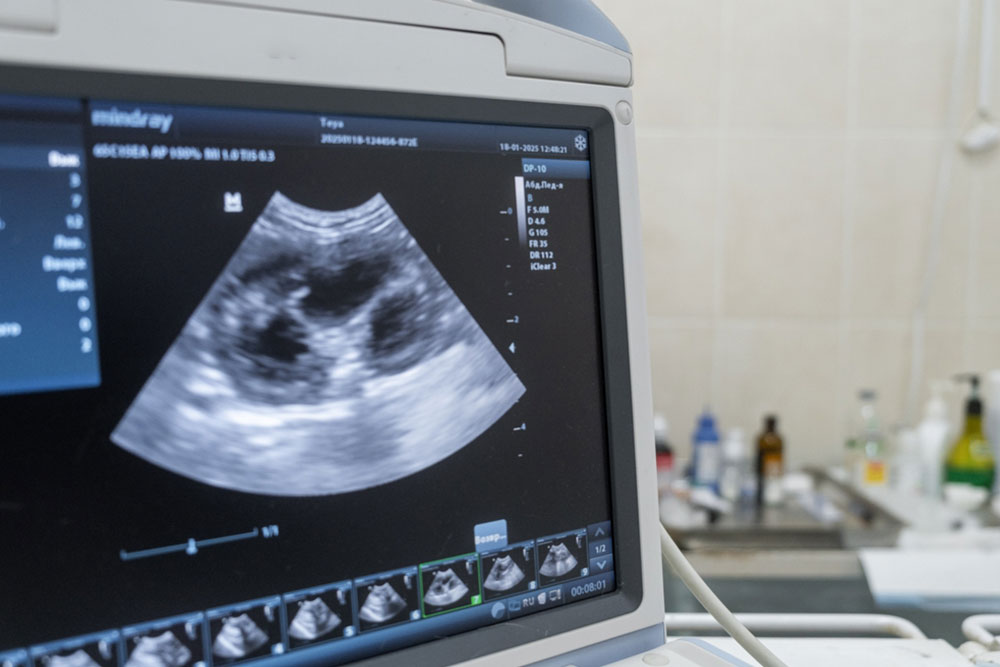
The extra tests your veterinarian recommends once your dog or cat becomes a senior are looking for disease that has not caused symptoms yet. Most pets reach that stage around age seven, sooner for large-breed dogs, and it is when kidney trouble, thyroid changes, and high blood pressure begin turning up in test results before you notice anything at home. A senior visit adds lab work, a blood pressure reading, a urine sample, and often imaging, because hands and a stethoscope cannot see inside an organ. Finding those changes while your pet still seems fine gives us the most room to slow them down and to prevent the damage they cause.
Boca Midtowne Animal Hospital in Boca Raton treats senior screening as part of regular wellness care for every aging pet, with the testing recommendations personalized to their age, breed, and health risks. We have digital X-ray and ultrasound on site for when a result needs a closer look. Calm matters for accuracy, and as a Fear Free certified hospital we work to keep visit stress low. If your dog or cat has reached their senior years, request an appointment and we will walk you through which tests make sense for them.
The Bottom Line on Senior Screening
- Most dogs and cats are considered senior around age seven, and large-breed dogs get there a year or two sooner.
- Screening finds kidney disease, thyroid changes, high blood pressure, and heart disease while your pet still looks and acts like themselves.
- A senior workup pairs blood work with a urine sample and a blood pressure reading, then adds X-rays or ultrasound when a result raises a question.
- Two visits a year let us compare numbers over time, which is how early trouble shows itself before any single result looks abnormal.
Which Changes in an Older Dog or Cat Are Worth a Visit?
The changes worth a visit are the quiet ones, the kind that are easy to write off as age: a slower dog, a thinner cat, a mouth that smells worse than it used to. Getting older doesn’t cause weight loss, extra thirst, or new lumps on its own. Something specific does, and most of those things have names and treatments.
- Drinking and urinating more: heavier clumps in the litter box or a bowl that empties fast can be the first sign of kidney disease, diabetes, or thyroid trouble.
- Weight change without a diet change: loss in cats is rarely harmless, and steady gain in a dog can point to an underactive thyroid.
- New stiffness or hesitation: a dog who takes the stairs one at a time, or a cat who has stopped jumping onto the bed, is usually sore rather than lazy.
- Bad breath, drooling, or dropping kibble: the source is almost always below the gum surface.
- A new lump, or an old lump that changed: size, firmness, and how fast it grew all matter.
- Coughing, fast breathing at rest, or tiring early on walks: heart and lung changes tend to announce themselves late, so these earn a prompt exam.
Two things to skip while you wait for that appointment. Don’t cut back water for a pet who has started drinking more, since the extra intake is usually keeping them out of trouble rather than causing it. And never give human pain relievers such as ibuprofen, naproxen, or acetaminophen for stiffness, because they damage canine kidneys and livers, and acetaminophen is lethal to cats.
Why Isn’t a Yearly Exam Enough for a Senior Dog or Cat?
A hands-on exam finds what’s on the outside. Preventive testing turns up changes months before a pet acts sick, which is the whole reason senior care shifts from watching behavior to tracking numbers. In an older body, twelve months is a long runway for something quiet to take hold.
Six months covers a lot of ground at this age. A ten-year-old cat can move from a normal kidney value to a clearly abnormal one inside that window, and a dog can lose real muscle without anyone catching it week to week. That’s why senior patients shift to twice-yearly wellness exams, so nothing gets a full year to itself.
What Shows Up on a Senior Blood Panel?
A senior panel is a chemical read on the organs: red and white cells, kidney and liver values, blood sugar, protein, electrolytes, and thyroid hormone. It flags a struggling kidney or an inflamed liver long before the damage is far enough along to change how your dog or cat feels at home. Senior pet care recommendations aren’t the same for every pet; a nine-year-old Lab with a heart murmur needs a different set of tests than a healthy nine-year-old Siamese.
| Test | What it measures | What it can catch early |
|---|---|---|
| CBC | Red cells, white cells, platelets | Anemia, infection, inflammation, some blood cancers |
| Chemistry panel | Kidney and liver values, blood sugar, protein, electrolytes | Kidney disease, liver disease, diabetes, dehydration |
| Thyroid (T4) | Circulating thyroid hormone | An underactive thyroid in dogs, an overactive one in cats |
| Heartworm and tick-borne panel | Antigen and antibodies from a few drops of blood | Heartworm, Lyme, Ehrlichia, Anaplasma |
Heartworm and tick-borne testing stays on the senior list for a reason. Mosquito season never really winds down in South Florida, and an older dog carrying a light worm burden can look perfectly well for a long stretch.
One panel describes a moment. Three describe a direction, and direction is what tells us something. A creatinine of 1.6 this spring, after two years of sitting at 1.1, still lands inside the reference range and still deserves attention, because the slope matters more than the cutoff. Senior panels run in our in-house lab, just one part of where our AAHA accreditation ensures the highest quality of medicine.
Why Do We Put a Blood Pressure Cuff on a Pet Who Seems Fine?
Left alone, high blood pressure damages the eyes, kidneys, heart, and brain without a single outward sign, and in dogs and cats it almost always travels with another problem like failing kidneys or an overactive thyroid. Finding it takes about a minute of quiet.
The eye is where the damage usually announces itself, and it tends to happen all at once: bleeding behind the retina, a pupil that stays wide in a lit room, a pet walking into a coffee table they’ve navigated for a decade.
Taking the reading looks like the human version, scaled down. A small inflatable cuff goes on a front leg or the base of the tail, several readings get averaged, and your dog or cat can stay in your lap or on a folded towel the whole time. Stress inflates the number, so Fear Free handling isn’t a nicety here, it changes what we’re reading.
When pressure runs high, treatment moves on two tracks: a medication such as amlodipine or telmisartan to bring the number down, and a workup for whatever pushed it up in the first place. Rechecks follow until things settle.
What Does a Urine Sample Add to the Picture?
Concentration, protein, glucose, and the first evidence of infection all surface in a urinalysis, which is why a chemistry panel read without one can miss early kidney damage entirely. The two tests answer different halves of the same question.
Damaged kidneys lose the ability to concentrate urine before blood values shift, so watery urine in an older cat is often the earliest hard evidence available. Protein slipping through means the filters are worn. Sugar points at diabetes. White cells and bacteria mean a bladder infection, and senior pets with diabetes or failing kidneys get those without ever straining or having an accident on the rug.
Collection is easier than most families expect. A clean container and a free catch in the yard works for many dogs, and a tray of non-absorbent litter usually does it for cats. When a sterile sample is needed, a quick ultrasound-guided draw from the bladder takes seconds.
How Do We Screen a Senior Heart Before There’s a Cough?
Heart disease stays quiet for years. Many dogs develop a murmur well ahead of symptoms, and cats frequently have none at all, so screening leans on tests rather than the stethoscope. The goal is to find a heart under strain while your pet still eats, plays, and sleeps normally.
A heart muscle under strain releases a marker into the bloodstream, and NT-proBNP testing pulls it from the same blood draw already going out for a senior panel. The full screening set usually looks like this:
| Screening tool | What it looks at | Why it earns a place |
|---|---|---|
| Chest X-rays | Heart size and shape, lung fields | Show enlargement and early fluid |
| NT-proBNP blood test | A strain marker from the heart muscle | Picks up trouble in cats with no murmur |
| ECG | The electrical rhythm | Catches arrhythmias a stethoscope can miss |
| Echocardiogram | Valves, walls, and function in motion | Names the specific disease and its stage |
When Does a Senior Pet Need X-Rays or an Ultrasound?
Imaging comes in when the exam or the lab work raises a question numbers can’t settle: a murmur, a cough, weight loss with a clean panel, a belly that feels wrong, a back leg carrying less weight than the other. Some healthy seniors also get a baseline set for comparison later.
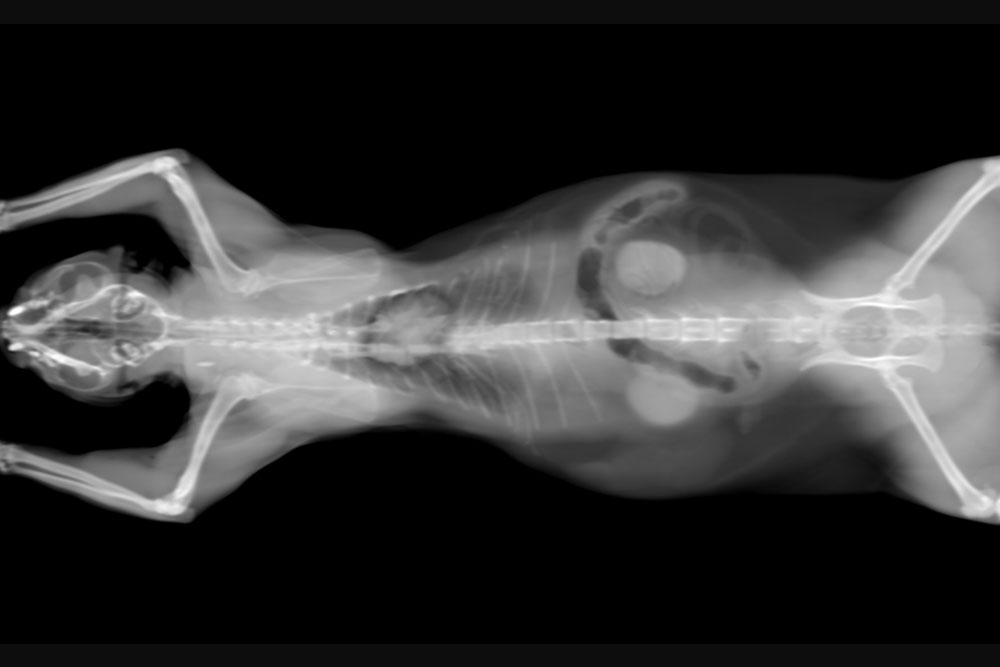
Radiography maps the size and shape of the heart, the lung fields, the skeleton, and the outlines of the abdominal organs in a few seconds of quiet positioning. That makes it the right first look for chest complaints, arthritic joints, bladder stones, and an organ that feels larger than it should.
Where an X-ray gives you outlines, abdominal ultrasound looks inside the organ itself, catching texture changes, small masses, and pockets of fluid that never register on a radiograph. Cardiac ultrasound looks at the movement of the heart and blood flow through the vessels. Most pets rest on their side for it, and a fair number doze off partway through.
What Does Senior Screening Usually Catch?
The same handful of conditions turn up again and again in dogs and cats past seven: thyroid disease, kidney disease, heart disease, cancer, liver changes, arthritis, and dental infection. Nearly all of them are manageable for years when they’re found early, and nearly all of them start out looking like nothing at all.
In dogs, the thyroid tends to underperform. Weight gain with no change in the food bowl, a dull thinning coat, and a dog who sleeps through things he used to love are the everyday face of hypothyroidism, a slowed metabolism that a daily tablet brings back to normal. A blood test confirms it, and a recheck sets the right dose.
In cats, it runs the other way. A senior cat who eats constantly and keeps losing weight is describing hyperthyroidism almost word for word, and the options run from a daily pill or prescription diet to a radioiodine injection that resolves it for good. Restlessness, yowling at night, vomiting, and a racing pulse fill out the picture. Radioiodine is given at a licensed facility, so if that’s the route you choose, we arrange the referral.
Kidney disease is the condition senior screening was practically built for. Chronic kidney disease stays quiet until a large share of kidney function is already gone, which is exactly why it shows up on a screening panel long before it shows up in the litter box. Management is ongoing: a therapeutic diet, attention to hydration, phosphorus control, and rechecks that keep the plan matched to where things stand.
Heart disease sorts roughly by size and species. Small-breed dogs lead with a leaky mitral valve, large breeds with dilated cardiomyopathy, and cats with hypertrophic cardiomyopathy that often gives no warning. Caught early, medication can hold the line for a long stretch, and the best home monitor costs nothing: count your pet’s breaths for one minute while they sleep, and tell us if that number starts climbing.
Cancer turns up more often with age, and it isn’t the sentence it once was. Imaging routinely finds internal masses months before symptoms appear, and skin masses are some of our most common findings during a routine physical exam. Most lumps get an answer from a needle sample read under the microscope here, with no anesthesia for the great majority of patients. Cancer in pets is shaped by breed, too: Goldens and German Shepherds see more hemangiosarcoma, giant breeds more osteosarcoma, and mast cell tumors are more common in Boxers and Bostons.
Liver changes almost always appear as a number before they appear as a symptom. Elevated enzymes on a routine panel can come from medication, an endocrine disease, inflammation, or a mass, so the next move is usually imaging and a repeat sample rather than a prescription. Yellow gums, appetite loss, and vomiting are the late signs, and many pets do well for years with a supportive diet and treatment aimed at the cause.
Arthritis is close to universal in older dogs and shows on X-rays in most cats over twelve, though cats disguise it beautifully by simply doing less. Weight control does more than any single medication, and the rest of the toolkit includes joint supplements and omega-3s, prescription anti-inflammatories, gabapentin, and a monthly injectable antibody that interrupts the pain signal, with separate versions for dogs and cats. Building a pain management plan usually means stacking a few of these, then adjusting as the joints change. Rugs over tile, a ramp to the couch, and a litter box with one low side help more than families expect.
Dental disease reaches nearly every senior mouth. Bad breath is just a sign of disease under the gumline, and dental care in an older pet protects the heart, liver, and kidneys every bit as much as the teeth. Scaling under anesthesia, with radiographs of the tooth roots, reaches the disease a toothbrush can’t, and pre-anesthetic blood work is a big part of what makes that safe at this age. Between cleanings, daily brushing, a dental diet, and chews carrying the veterinary seal do the maintenance work.
Frequently Asked Questions About Senior Screening in Pets
How old is “senior” for a dog or cat?
Most cats and small dogs are considered senior around age seven, while giant breeds like Great Danes and Newfoundlands reach it closer to five or six because they age faster and show arthritis and cardiac changes earlier. Size drives the timeline more than anything else. If your dog tops fifty pounds, starting screening a year ahead of what a terrier would need is reasonable, and cats tend to hold onto their youth slightly longer.
Do these tests hurt, and will my pet need sedation?
Most of a senior workup is a blood draw, a cuff on the leg, and a urine sample, none of which calls for sedation. X-rays may require sedation to make sure your pet holds still, and ultrasound may or may not require it depending on your pet’s temperament and the length of the examination. It’s a conversation we have with you first rather than a surprise at pickup.
What should I do if something changes between screening visits?
Call rather than waiting for the next appointment. Sudden thirst, repeated vomiting, lack of appetite,, or a lump that appeared over a weekend all deserve a prompt look, and we see urgent care during our open hours. We also take emergency calls seven days a week until midnight. Once we’ve closed for the evening, using our 24/7 VetTriage service for guidance or heading to the nearest 24-hour veterinary emergency hospital is the right step.
Book a Senior Screening That’s Easy on Your Pet
Watching a dog slow down or a cat get lighter in your arms is a hard thing to sit with, and the not-knowing is usually heavier than the answer. Most of what we find at this stage is something we can manage, often for years, and the pets we start watching early are the ones who keep their good routines the longest.
Boca Midtowne Animal Hospital sees a lot of gray muzzles in Boca Raton, and we plan these visits around keeping your pet comfortable. When you’re ready, book a senior screening and we’ll build the plan around them. If you’d rather talk it through first, reach out and tell us what you’re noticing at home.













Leave A Comment