
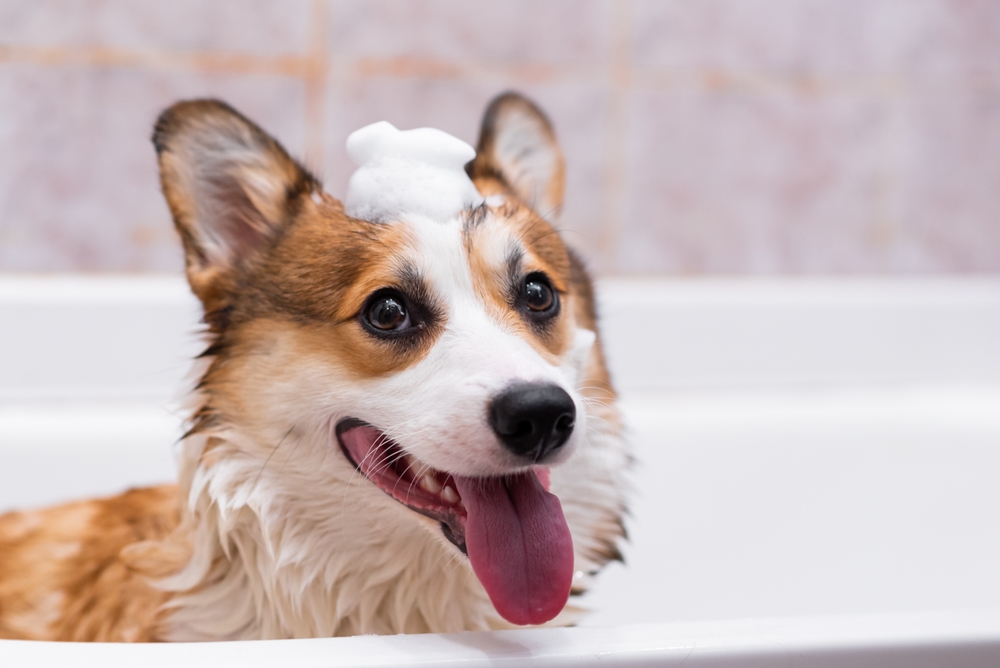
Florida is full of reasons for a pet to be itchy. Choose a shampoo for sensitive skin by starting with the cause of the itch, not with the front of the bottle. A dog reacting to flea bites, a cat irritated by a fragrance, and a pet with a yeast overgrowth all need different products, and the wrong pick can leave skin angrier than it was before the bath. That is why the ingredient list tells you more than the brand name does. It is also why some pets do well on a soothing, barrier-supporting formula while others need a medicated shampoo that comes from your veterinarian. Sort out what is driving the irritation first, and the shampoo choice gets much simpler.
Boca Midtowne Animal Hospital is AAHA accredited and provides veterinary care for dogs and cats in Boca Raton, where humid weather, pollen, and fleas that never take a season off keep itchy pets coming in long past summer. Before you commit to a product we can sample the surface, look at it under the microscope to see whether yeast or bacteria are feeding the itch, and check for fleas and mites at the same visit. Some pets also need wipes, sprays, mousses, or other skin support to keep the itch away, so we’ll create a personalized plan with the right products for their sensitivities. We also offer medicated baths and regular grooming, so your pet can get a thorough wash without a bathtub battle at home. If your pet’s skin keeps flaring up, request an appointment and our team will help find the cause and create a long-term plan to keep them comfortable.
Understanding Sensitive-Skin Grooming: The Basics
- Sensitive skin almost always traces back to a specific cause, and finding that cause first turns shampoo shopping from a guessing game into an easy decision.
- The ingredient list matters far more than the brand on the front, and a medicated ingredient only helps when it’s aimed at the right problem.
- Several of the most popular home fixes, including human shampoo, essential oils, and vinegar rinses, leave irritated skin worse than they found it.
- Wipes, sprays, mousses, ear cleaning, and short nails do more total work between baths than any single product does in the tub.
How Do You Know If Your Pet Has Sensitive Skin?
Sensitive skin shows up as an outsized reaction to ordinary things: a new shampoo, a walk through tall grass, a switched laundry detergent. What separates it from a passing itch is the pattern. The scratching outlasts whatever set it off, the skin stays pink or flaky, and the same few spots keep flaring.
Here’s what pet families usually notice first:
- An itch that never fully quits: scratching, licking at paws, or chewing at the base of the tail long after the walk is over.
- Coat and skin changes: dandruff, greasy patches, a musty smell, or skin that turns pink and warm across the belly and armpits.
- Bald spots: seasonal shedding thins a coat evenly, while hair loss that leaves bare patches, broken stubble, or matching bald spots over both flanks points to hormones or something irritating the skin underneath.
- Ear infections that keep coming back: head shaking, redness, or discharge that returns a few weeks after each cleanup.
- Flares after contact: itching that starts within a day of a scented spray, a new floor cleaner, or a freshly laundered bed.
Skin is one of the things we check at a nose-to-tail wellness exam, but a pet who’s already scratching shouldn’t wait for the annual visit. Puppies and kittens count here too. Early flaking, scabby ear tips, or a kitten who grooms one patch bald is worth a look rather than a wait-and-see.
What’s Actually Causing the Itch?
Itchy skin comes from one of two directions: a medical condition inflaming it from the inside, or an ingredient irritating it from the outside. Plenty of pets have both going at once, which is why the same itch can need two different fixes, one for the body and one for the bottle.
- Allergies: skin allergies in dogs rarely look like the sneezing and watery eyes people get, they concentrate on the paws, belly, armpits, ears, and muzzle as an itch that never fully settles. Cats tend to show it as overgrooming, scabby bumps, or bald strips along the belly.
- Flea allergy: one bite is enough to set off flea allergy dermatitis in a sensitized pet, and the itch it leaves over the rump and tail base can outlast the flea by weeks. Year-round prevention takes most of that risk off the table in South Florida.
- Contact reactions: fragrances, detergents, and grooming sprays tend to produce contact dermatitis on the thinly furred areas that touch them most, the belly, groin, chin, and paw pads.
- Hormonal conditions: an underactive thyroid in dogs, or an excess of cortisol, thins the coat and slows healing. The itch usually comes from the yeast and bacteria that move in afterward.
- Breed and genetics: retrievers, bulldogs, terriers, and shepherds are all overrepresented, and flat-faced breeds add deep facial folds that trap moisture.
Sorting which of these is driving a flare is most of what our veterinarians do with itchy patients day to day. It’s rarely one villain, and that’s good news, because each piece we remove lowers the total load on the skin.
What Happens at a Sensitive-Skin Workup?
A workup is what replaces guessing. A hands-on skin exam plus a few targeted tests separates an allergy from a parasite problem, a hormone imbalance, or a reaction to something in the bottle, and each of those points to a different plan. Most of it happens in a single visit.
- Surface samples: a tape or swab sample under the microscope with our advanced digital cytology system shows whether yeast or bacteria are multiplying, and a scrape looks for mites hiding deeper in the follicles.
- Bloodwork: thyroid and organ panels catch the hormonal causes, which matters because no shampoo fixes a hormone problem.
- A diet trial: when food is the suspect, a strict elimination diet run over a couple of months, with zero cheating on treats, is the only way to know.
Consistent standards on the medicine and gentle handling for anxious pets both matter more than usual when a pet’s skin already hurts, and they shape the way we practice veterinary medicine in Boca Raton with our AAHA certification and Fear-Free handling.
Which Shampoo Ingredients Do the Real Work?
The label tells you more than the brand ever will. A short list of ingredients does the heavy lifting, and they fall into two groups: soothing, barrier-supporting formulas that suit most itchy pets, and medicated formulas aimed at one specific problem. That second group works best with a diagnosis behind it.
| Ingredient | What it does | Best suited for |
|---|---|---|
| Colloidal oatmeal | Calms surface itch, holds moisture in | Mild seasonal or contact irritation |
| Ceramides, phytosphingosine | Rebuild the skin barrier that inflammation strips | Repeat flares, dry or flaky coats |
| Aloe, glycerin | Soothe and hydrate without heavy oils | Pets who dry out after bathing |
| Chlorhexidine | Antibacterial, often paired with an antifungal | Bacterial infection confirmed on cytology |
| Miconazole, ketoconazole | Antifungal for yeast overgrowth | Musty smell, greasy skin, yeasty paws |
| Benzoyl peroxide | Flushes hair follicles, cuts grease | Deep folliculitis, too drying for most sensitive skin |
| Salicylic acid, sulfur | Lift scale and flakes | Seborrhea and heavy dandruff |
The clinically important part: a medicated ingredient does nothing at all for the wrong problem, and some of them will over-dry skin that didn’t need stripping in the first place. A degreasing shampoo on an allergic dog with a dry coat buys you a worse week. Several of these come only by prescription, and our online pharmacy carries the formulas we recommend, so nobody has to stand in an aisle decoding labels.
Which Home Remedies Make Sensitive Skin Worse?
The most tempting fixes are often the ones that backfire, because a product that feels soothing on human skin can be exactly wrong for a dog or cat. If something stings going on, or your pet looks worse the next morning, stop, rinse with plain lukewarm water, and ask us what to use instead.
- Human and baby shampoo: both sit at the wrong pH for pets and strip the oils that hold the barrier together. Gentle for a baby does not mean gentle for a beagle.
- Essential oils: tea tree, citrus, pennyroyal, and eucalyptus are toxic essential oils for pets no matter what the natural label promises, and cats are hit hardest because they cannot break down the compounds left behind on the skin and swallowed during grooming.
- Apple cider vinegar: it’s an acid. On inflamed or broken skin it stings, and a pet who dreads the tub after one vinegar rinse is a harder pet to treat.
- Old-style flea shampoos: harsh on the coat and largely obsolete next to modern preventives, which keep working long after the water drains.
- Coconut oil: most of it ends up licked off, trading a greasy coat for an upset stomach.
Never give a human combination allergy tablet, either. The added decongestant can be dangerous for pets even when the antihistamine alone would be fine. For skin that’s swelling, oozing, or opening up, we see urgent care during our open hours, and a quick call ahead helps us have a room ready.
What Does a Good Bath Day Look Like for Sensitive Skin?
A good bath is mostly about slowing down. The two things that matter most are giving the product its full contact time and rinsing far past the point where you think you’re finished, since leftover residue is itchy all on its own. Rushing is what turns bath day into a flare.
- Brush first. Water skates over a matted coat and never reaches the skin that needs it.
- Keep the water lukewarm. Hot water feels good to us but worsens inflamed skin.
- Work it in with your hands, massaging rather than scrubbing, so the lather reaches the roots.
- Set a timer for ten minutes on any medicated formula. Contact time is the whole point, and it’s the step home baths skip most.
- Rinse, then rinse again. Residue left in the coat is one of the most common reasons a pet leaves the tub itchier.
- Dry the folds. Damp facial and tail folds turn into skin infections within days, so towel into every crease on a wrinkly face.
| Situation | Typical rhythm |
|---|---|
| Dog on an active medicated plan | Often every one to two weeks while flaring |
| Dog with mild sensitive skin | Every two to four weeks |
| Most cats | Rarely, unless a medicated plan calls for it |
| Puppies and kittens | Only when dirty, using a product cleared for their age |
A schedule set by your veterinarian outranks any chart. And if there’s more scratching or flaking after the bath than before it, that usually means washing too often or using the wrong bottle, not that your pet needs a stronger product.
What Helps Between Baths?
Between-bath care is where sensitive skin is really managed. Allergens and moisture pile up on the coat every single day, while the tub comes out weekly at most, so small daily habits add up to more relief than bath day does on its own. Flat-faced breeds and allergic pets gain the most.
- Wipes: a quick pass over the paws after a walk clears the pollen before it gets licked in, and daily fold care keeps deep facial wrinkles dry.
- Leave-on sprays and no-rinse mousses: these treat one hot spot without committing to a whole bath, which is a gift for cats and for pets who panic at the sound of running water.
- Ear cleaning: allergic pets are the ones who keep getting ear infections, because the same inflammation that reddens the skin also swells the ear canal and traps moisture, which is why a routine cleaner belongs in the between-bath kit.
- Brushing: it spreads natural oils down the shaft and prevents the mats that hold damp against skin.
- Nails: nail trimming belongs on the sensitive-skin list too, since short, blunt nails do far less damage each time a pet goes after an itchy spot.
Our concierge membership includes virtual consults on evenings and weekends, and for the middle of the night our 24/7 VetTriage service is here for guidance, which is often all it takes to sort out a new hot spot before Monday.
Can a Groomer Handle a Sensitive-Skin Pet?
A groomer handles sensitive skin well, and the results are better when the grooming happens in coordination with a veterinary team. A groomer bathes with the prescribed shampoo, honors the full contact time most home baths cut short, and folds ear cleaning and a nail trim into the same visit instead of three separate battles at home.
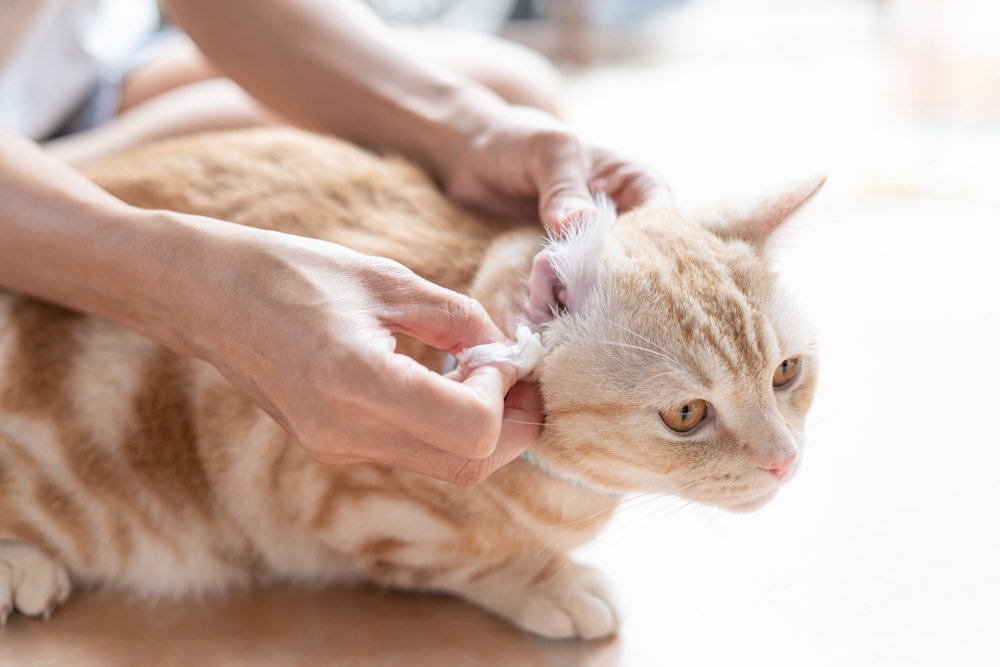
Regular grooming doubles as a full-body health check, since the person working through a coat with their hands is the one who finds the new lump, the hot spot hiding under a mat, or the ear that smells wrong. Tight mats are the other argument for professional help. A mat pulls skin taut and hides moisture against it, and shaving one out safely takes clippers and experience, not scissors at the kitchen counter.
We offer medicated baths and dematting at Boca Midtowne Animal Hospital, so a veterinarian is a few steps away when something looks off, and a standing appointment is what turns a bathing plan into something that happens on schedule. Fear Free handling keeps it calmer for the pet who has decided the tub is the enemy.
Frequently Asked Questions About Sensitive-Skin Grooming in Pets
Can I use baby shampoo on my dog in a pinch?
It’s better to rinse with plain lukewarm water and wait. Human skin is more acidic than a dog’s, and shampoos formulated for us, baby versions included, sit at the wrong pH and strip the oils that keep the barrier intact. One emergency bath won’t ruin a healthy coat, but on skin that’s already sensitive it often triggers a few days of extra itching and flaking. Water alone removes most of what a muddy dog rolled in.
My cat hates baths. Is there another way to treat their skin?
Most cats never need a full bath, and there’s real medicine available that doesn’t involve the tub. Medicated wipes, no-rinse mousses, and leave-on sprays deliver the same active ingredients to the spots that need them, a few minutes at a time. That’s a meaningful distinction: a medicated product treats the problem, while a freshening spray or a deodorizing wipe only adds scent to skin that’s still inflamed underneath. Ask us which one your cat’s plan calls for.
My pet got itchier right after we switched shampoos. Should I worry?
A flare that starts within a day or two of a new product is worth attention rather than patience. Sometimes it’s a true contact reaction to a fragrance or preservative, and sometimes it’s a medicated formula that’s over-drying skin it wasn’t meant for. Either way, stop the product, rinse with plain lukewarm water, and let us take a look. Swelling, hives, or open sores mean a same-visit exam, not a second try.
Ready to Get Your Pet Comfortable Again?
Sensitive skin rewards patience and a plan more than it rewards any single miracle product. Once we know what’s driving the flare, matching ingredients to the cause and keeping up the between-bath habits is what loosens the grip on most itchy pets, and the 2 a.m. scratching stops running the house. If the itch keeps winning at your place, reach out and we’ll examine the skin, find the cause, and build a bathing and grooming routine your pet can live with, right here at Boca Midtowne Animal Hospital in Boca Raton.














Leave A Comment