
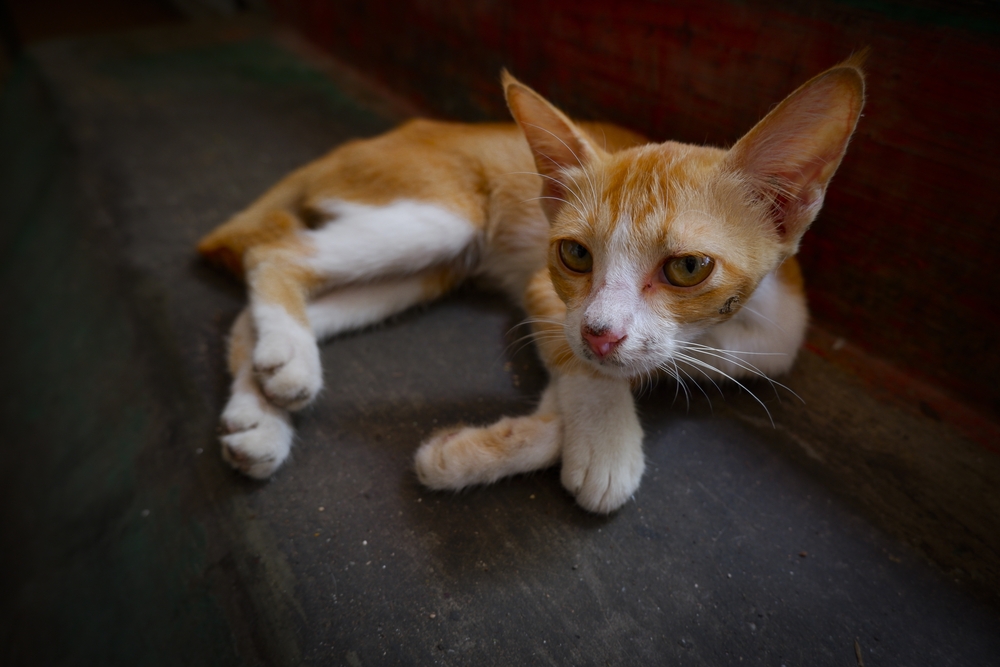
Most pets diagnosed with an autoimmune blood disease can pull through the first fragile days when treatment starts quickly. In these diseases the immune system attacks the body’s own blood cells: immune-mediated hemolytic anemia (IMHA) destroys red blood cells, while immune-mediated thrombocytopenia (ITP) wipes out the platelets that let blood clot. Those opening days are when a pet may need a transfusion, when medication to calm the immune system starts to take hold, and when the danger of a clot or sudden bleeding runs highest. Recognizing the early signs and moving fast is what tips that window toward recovery.
Boca Midtowne Animal Hospital keeps AAHA-accredited urgent care in Boca Raton open to sick pets who cannot wait, which matters when an autoimmune blood disease can turn serious in a matter of hours. We run the in-house bloodwork that reveals a dropping red cell or platelet count, and we have ultrasound to look for a hidden driver such as an enlarged spleen or a mass. Our team can begin the workup and stabilize a fragile patient before transferring to a 24-hour hospital if that level of care is needed. If your pet is weak, pale, or bruising easily, come in so we can start looking right away.
Start Here: The IMHA and ITP Basics
- IMHA and ITP happen when the immune system attacks the body’s own red blood cells or platelets, and both can turn life-threatening within hours.
- Pale or yellow gums, sudden weakness, unexplained bruising, dark urine, or hard breathing at rest mean your pet needs to be seen right away, same day if we are open and at the nearest emergency hospital if we are not.
- Because tick-borne infections can trigger or mimic these diseases, screening for them belongs in a thorough workup, and steady year-round prevention lowers the risk.
- Most pets diagnosed and treated quickly have a real chance at recovery, so acting on the earliest signs matters more than anything else.
Which Warning Signs Mean My Dog or Cat Needs to Be Seen Today?
Pale gums, sudden weakness, and fresh unexplained bruising are the signs that mean today rather than tomorrow, and dark urine and hard breathing belong on that list too. Each one traces back to blood that either cannot carry enough oxygen or cannot clot properly, so any single one is reason enough to come in.
Watch for these changes:
- Sudden weakness or collapse: A pet who stumbles, cannot stay up, or seems to fade is often short on oxygen.
- Pale or yellow gums: Healthy gums look bubble-gum pink, so a white, gray, or yellow tinge is a red flag.
- Bruising or petechiae: Fresh bruises or clusters of pinpoint red dots on the belly or gums point to low platelets.
- Labored breathing at rest: Respiratory distress in a pet who is simply lying down means organs are not getting enough oxygen, and it needs same-day evaluation rather than a wait-and-see night at home.
- Dark or blood-tinged urine: Urine the color of tea or cola can mean red cells are breaking down or bleeding into the bladder.
- Deep lethargy or no appetite: A pet who will not rise, greet you, or eat needs a look right away.
A quick call ahead lets us prepare before you walk in, and same-day urgent care can get the workup started during our regular hours. Outside them, head to the nearest 24-hour veterinary ER.
Why Does My Pet’s Immune System Attack the Body’s Own Blood Cells?
The immune system turns on the body’s own blood cells when it loses the ability to tell friend from foe, and immune-mediated diseases begin when healthy cells get marked for destruction instead of protected. In these blood disorders, red cells or platelets are flagged by mistake and cleared as though they were invaders.
We sort these cases into two groups, and the difference drives treatment. In primary (idiopathic) disease, the defense system misfires on its own with no clear reason, so care centers on calming that overactive response. In secondary disease, something else lights the fuse: an infection, a tumor, a toxin, or a medication. Tracking down and treating that trigger is essential, because suppressing the immune response alone often lets a secondary case come roaring back.
What Is IMHA, and How Fast Can It Turn Serious?
In immune-mediated hemolytic anemia, the immune system destroys red blood cells faster than the body can replace them, steadily starving organs of the oxygen those cells are meant to carry. The signs can be quiet at first, but a pet may slide from mildly tired to a full crisis in a day or two. That speed is why catching the first hints early matters so much.
What Are the Early Signs of IMHA to Watch For?
The earliest clues are easy to shrug off: more napping than usual, tiring on a walk that used to be easy, and a faster resting breathing rate. As red cells fall, appetite fades and urine may darken.
Gums are the clearest thing you can check at home. They lose color as red blood cell numbers drop, and they can take on a yellow tinge as the breakdown of those cells releases pigment into the bloodstream. Certain breeds, including Cocker Spaniels, develop IMHA more often, so families of those dogs should treat the first signs as urgent rather than waiting to see if they pass.
What Triggers Secondary IMHA in Dogs and Cats?
Secondary IMHA has an identifiable culprit driving it, and pinning that culprit down is what keeps the anemia from coming back. An infection has to be found and treated directly before the anemia will truly resolve. The triggers fall into a few groups:
- Infections: Tick-borne diseases can spark red cell destruction, and in cats a blood parasite called hemotropic mycoplasma does the same.
- Cancers: Lymphoma and hemangiosarcoma sometimes drive IMHA, most often in older pets.
- Toxins and drugs: Zinc from a swallowed coin or bolt, some medications, and bee or snake venom can all set off an attack.
- Viruses: Feline leukemia virus and other infections can be the hidden driver behind a cat’s anemia.
Why Do Blood Clots Make IMHA So Dangerous?
IMHA carries a second danger: while red blood cells are under attack, the clotting system swings the other way and forms abnormal blood clots, which rank among the leading causes of death in these patients and are the reason hospitalization and close monitoring matter so much.
A clot can lodge in the lungs or a limb without warning, so a few signs mean move fast:
- Sudden difficulty breathing: Fast or open-mouthed breathing can mean a clot has reached the lungs.
- A cold, painful, or dragging leg: A clot can choke off blood flow to a limb.
- Collapse or sudden weakness: A large clot can drop blood pressure in moments.
If any of these show up, call us right away or head straight to the nearest emergency hospital.
What Is ITP, and Why Does My Pet Bruise or Bleed?
In immune-mediated thrombocytopenia, the immune system destroys platelets, the tiny cell fragments that form clots, so bleeding can start without any injury at all. Much of that bleeding happens inside the body, so your pet can look only mildly off while losing blood internally.
Here is how the two conditions compare:
| IMHA | ITP | |
| What’s attacked | Red blood cells | Platelets |
| Core problem | Too little oxygen reaching organs | Blood that will not clot |
| Classic signs | Pale or yellow gums, weakness, dark urine | Bruising, petechiae, nosebleeds, bloody stool |
| Biggest danger | Abnormal clots and oxygen starvation | Uncontrolled internal bleeding |
What Does ITP Look Like at Home?
The hallmark of ITP is bleeding that shows up for no clear reason. Look for fresh bruises on the belly or gums, pinpoint red or purple spots called petechiae, sudden nosebleeds, blood in the urine or stool, and small cuts that ooze far longer than they should. Because platelets plug the body’s tiny leaks, even a minor scrape can become a slow, stubborn bleed.
What Sets Off ITP in Dogs and Cats?
ITP can be primary or driven by something underneath, and finding that trigger changes the treatment plan. The infections behind secondary cases include ones a Boca Raton pet is genuinely exposed to, such as heartworm disease, which mosquitoes transmit year-round in this climate. Tick-borne infections, canine distemper, and leptospirosis round out the infectious triggers, alongside certain medications and, less often, an underlying cancer. A small number of cases have followed a recent vaccination, but the protection vaccines give against deadly diseases far outweighs that rare risk.
What Happens When Both Blood Cells and Platelets Are Attacked?
When both red blood cells and platelets come under attack at once, the result is Evans syndrome. These concurrent immune-mediated conditions call for treatment aimed at both problems at the same time, backed by intensive monitoring. A pet can be anemic and prone to bleeding at once, which makes these some of the most delicate cases we see.
Because the two attacks involve different parts of the immune system, medications often need frequent adjustment, and counts are rechecked closely until they hold steady. It is demanding care, but many of these pets do stabilize once the plan covers both fronts.
How Are Tick-Borne Infections Tied to These Blood Diseases?
Tick-borne infections sit near the center of the IMHA and ITP story because several of them can either trigger these diseases or mimic them almost perfectly. Testing for them belongs in the workup for any pet with unexplained anemia or bleeding, since treating what looks like primary disease without ruling out a tick-borne driver often leads to incomplete care and relapse. Several infections leave their own fingerprint on the blood:
| Infection | Effect on the blood |
| Ehrlichiosis and anaplasmosis | Lower platelet counts and can trigger immune destruction |
| Rocky Mountain spotted fever | Damages blood vessels and drops platelets |
| Lyme disease | Occasionally linked to immune-mediated complications |
| Babesiosis | Directly destroys red blood cells |
How Do You Diagnose an Immune-Mediated Blood Disease?
Diagnosis starts with your pet’s history and a hands-on exam, then moves to bloodwork that shows exactly what is happening to the red cells or platelets. A CBC and blood smear reveal how far counts have fallen and whether cells are being destroyed, while follow-up tests confirm the immune system’s role and hunt for any hidden trigger.
Running that first round of bloodwork through our in-house diagnostics means results come back quickly instead of waiting on an outside facility, so treatment can start sooner. A full workup usually includes:
- CBC and blood smear: Show how low the count has dropped and whether red cells or platelets are under attack.
- Reticulocyte count: Tells us whether the bone marrow is trying to replace lost red cells.
- Coombs test: Helps confirm that antibodies are coating and marking red cells for destruction.
- Chemistry panel: Checks organ function and flags an underlying problem.
- Tick-borne disease screening: Rules an infectious trigger in or out.
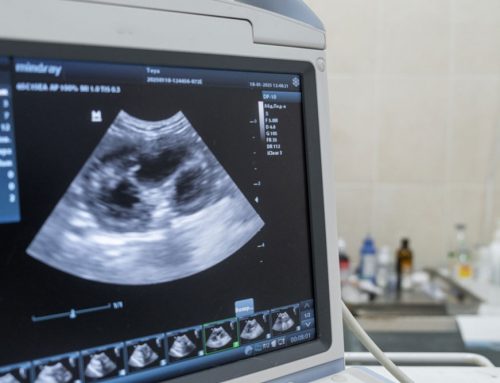
- Ultrasound and radiographs: Can reveal an enlarged spleen, a hidden mass, or signs of toxin exposure when the picture calls for it.
How Are IMHA and ITP Treated?
Treatment runs on two tracks at once: shutting down the immune attack with medication and supporting the body while blood counts climb back. Secondary cases also get the underlying trigger treated head-on. No two patients follow an identical plan, and doses are adjusted continually based on how the counts respond.
Much of this care means repeat visits and blood draws over weeks, so Fear Free handling keeps those appointments as calm as possible for a pet who is already feeling rotten.
How Is IMHA Treated?
The backbone of IMHA care is immunosuppression, usually starting with corticosteroids to halt the destruction of red cells. For a patient whose red cell count has crashed, blood transfusions buy critical time while those medications take hold. Other pieces of the plan can include:
- Anti-clotting medication: High-risk pets often get a blood thinner to head off the dangerous clots IMHA can cause.
- Supportive care: IV fluids, anti-nausea medication, and rest help the body cope while counts recover.
- Therapeutic plasma exchange: For severe or drug-resistant cases, this filtering process strips harmful antibodies out of the blood.
- Targeted antibiotics or antiparasitics: When an infection is the trigger, clearing it is part of the cure.
How Is ITP Treated?
ITP treatment also leads with corticosteroids to quiet the immune system, and most pets respond once the platelet destruction slows. When counts sit dangerously low or are slow to rebound, additional options include:
- Vincristine: This medication nudges the bone marrow to release more platelets quickly.
- Intravenous immunoglobulin (IVIG): For critically low counts, IVIG can help calm the immune attack.
- Splenectomy: Removing the spleen, where many platelets are destroyed, is a later-stage option for cases that do not respond to medication.
Can Tick Prevention Lower My Pet’s Risk of a Blood Disorder?
Steady tick prevention does lower the risk, because fewer tick-borne infections mean fewer chances for a secondary blood disorder to get started. In South Florida, ticks stay active straight through the winter, which is why tick prevention has to run year-round here rather than seasonally.
Products are not all equally reliable. Prescription flea and tick preventives protect far better than most over-the-counter options, and skipping even a month or two can be enough to let an infected tick do its damage. Our wellness and prevention care includes matching the right product to your pet’s size, species, and lifestyle so the coverage never lapses.
Frequently Asked Questions About IMHA and ITP in Dogs and Cats
Can My Pet Fully Recover From IMHA or ITP?
Many pets with IMHA or ITP do recover and go back to normal life, especially when treatment starts early. Some need medication for several months while counts stabilize and doses slowly taper. Some pets relapse, particularly when a secondary trigger was missed the first time, which is why repeat bloodwork stays part of the plan. Outcomes vary with how severe the disease was and how quickly care began, so acting early genuinely improves the odds.
Are These Diseases Contagious to My Other Pets or My Family?
The immune attack itself is not contagious, so no one in the household can catch IMHA or ITP from an affected pet. The exception is the infectious trigger behind a secondary case. Babesia, for example, can pass from dog to dog through bite wounds, and tick-borne infections spread through ticks rather than pet to pet. Solid parasite prevention protects everyone under your roof.
What Should I Do if Signs Appear After Hours?
After-hours red flags like pale gums, collapse, or heavy bleeding should go straight to the nearest 24-hour veterinary ER, because these diseases can move fast. For questions that are worrying but not a clear emergency, our 24/7 virtual vet visits with VetTriage can help you judge how urgently your pet needs to be seen. You can also use our Concierge Care membership for access to after-hours virtual exams. When you are unsure, lean toward having them checked.
Moving From Worry to a Plan for Your Pet
A serious blood diagnosis is frightening, and the waiting to know is often the hardest part. With fast, accurate diagnosis, most dogs and cats have a real chance at recovery. If your pet seems weak, pale, or bruises easily, our team can start the workup and get answers moving quickly. Book a visit as soon as something looks off, and we will keep your pet as comfortable as we can while we sort it out.













Leave A Comment